Alternative and Complementary Medicine: What Does the Insurer Pay?
Alternative and complementary medicine does not belong to conventional medicine. Compando shows the differences to classical medicine and summarises in which cases the insurer pays for alternative medicine treatments and when supplementary insurance is sensible.

- 1
- 2
- 3
- 4
- 5
- 6
1. What is alternative and complementary medicine?
Alternative and complementary medicine comprises medical methods outside conventional medicine. Five recognised methods are paid by basic insurance; all others are covered by the supplementary insurance of the insurers.
All methods at a glance
Widespread methods in Switzerland
- Acupuncture (laser, electro, ear)
- Anthroposophic medicine
- Ayurveda (massage, nutrition, remedies)
- Bach flower therapy
- Bioresonance therapy
- Craniosacral therapy
- Homeopathy
- Kinesiology
- Medical massages
- Osteopathy
- Phytotherapy (herbal medicine)
- Traditional Chinese Medicine (TCM)
- Yoga and Pilates
The five most important methods in detail
For the most frequent methods in Switzerland, there are dedicated detail pages with cost information, conditions for recognition and tips on supplementary insurance:
- Acupuncture and TCM: needle therapy, indications and FMH recognition
- Classical homeopathy: globules, initial anamnesis and naturopath
- Osteopathy: manual treatment and GDK-recognised therapists
- Craniosacral therapy: gentle touch therapy and areas of application
- Medical massages: medical prescription and distinction from physiotherapy
2. Where do conventional medicine and alternative medicine differ?
Treatment approach
Conventional medicine treats symptoms and measurable changes on the body. Complementary medicine pursues a holistic approach and brings body, mind and environment into balance.
Effect
In conventional medicine, external influences such as medications or operations work. In complementary medicine, the self-healing of the body is in the foreground.
Science
Conventional medicine relies on scientifically measurable methods. Complementary medicine is based on experience-based and holistic medicine.
Conventional and complementary medicine: combine?
Both approaches frequently complement each other in practice. In case of chronic complaints, the combination of both procedures is widespread, mostly in consultation with doctor.
3. Which alternative medicine does basic insurance pay?
The mandatory health care insurance (OKP) covers five alternative medicine methods, provided a doctor with additional training carries out the treatment. The legal basis is Art. 25a KVG.
OKP-recognised methods:
- Acupuncture (Traditional Chinese Medicine)
- Anthroposophic medicine
- Medicinal therapy of TCM
- Homeopathy
- Phytotherapy (herbal medicine)
Deductible and co-payment apply. Billing is made under TARMED. An acupuncture session at the doctor for CHF 150 results, when the deductible is reached, in CHF 15 co-payment (10 %). Basic insurance covers CHF 135.
Recognised FMH certificates of competence
Only doctors with the following FMH certificates of competence may bill at the expense of basic insurance:
- Acupuncture-TCM (ASA)
- Anthroposophic medicine (VAOAS)
- Homeopathy (SVHA)
- Phytotherapy (SMGP)
At the naturopath, basic insurance also does not cover these five methods. For that, supplementary insurance is necessary.
Compare complementary medicine supplementary insurance
Which methods are covered and how high hourly rate and annual limit are differs between providers. A comparison shows the suitable policy for your therapies.
4. Which supplementary insurance covers alternative medicine?
An outpatient supplementary insurance with complementary medicine coverage pays treatments at approved therapists. With most outpatient tariffs, you can start with the treatments immediately, without waiting periods. Which methods are covered depends on the provider and the chosen package.
EMR/ASCA recognition
Supplementary insurance reimburses treatments only if the therapist has a recognised quality label. Two registers are decisive in Switzerland:
- EMR (Empirical Medicine Register): awards quality labels to therapists with certain diplomas
- ASCA (Swiss Foundation for Complementary Medicine): recognises complementary medicine diplomas
Which label is accepted is decided by the insurer itself. The recognition you can check before the start of treatment at emr.ch and asca.ch.
Typical costs per method
The hourly rates differ by method and region:
- Osteopathy: CHF 120 to 180 per session
- Acupuncture: CHF 100 to 150 per session
- Medical massage: CHF 80 to 120 per session
- Homeopathy: CHF 150 to 200 per session
- Craniosacral therapy: CHF 120 to 160 per session
With regular use, high annual costs quickly accumulate. Anyone who needs twelve medical massages per year, for example, pays between CHF 960 and CHF 1'440.
A supplementary insurance with complementary medicine coverage usually covers 70 to 90 percent of the costs with a ceiling of CHF 1'000 to 3'000 per year. With this, your own costs in the example reduce to CHF 96 to CHF 432.
Additional packages for movement and psyche
Some providers extend complementary medicine with preventive and movement benefits. Frequently, yoga and Pilates or a fitness subscription belong to the package. Outpatient psychotherapy does not count as complementary medicine and runs via a separate policy.
5. What should I note before signing?
Match method list per tariff. Not every complementary medicine tariff covers every method. Some providers concentrate on TCM, homeopathy and phytotherapy; others also include bioresonance, kinesiology and Bach flower therapy. Match your personal list with the methods of the tariff before signing the contract.
Check register acceptance. EMR and ASCA are the two most important quality labels; in addition, some providers also recognise Qualitop for massage and movement therapists. Which labels apply is decided by each insurer itself. Clarify the register acceptance per tariff in advance with the provider.
Calculate joint annual limit against individual limits. Some tariffs have a joint annual limit for all methods; others split into individual budgets per therapy. With several methods used in parallel, you usually fare cheaper with the joint limit. In the health insurance comparison, you see coverage of the methods and premiums of all providers next to each other. For families, adults and seniors, different supplementary insurance fits.
Answer health questions truthfully. At application, a health questionnaire takes place. Complete information about existing complaints is mandatory under Art. 6 VVG. This way you avoid later benefit cuts in the event of a claim.
Adapt the supplementary insurance to your needs
Regular users have other requirements than occasional patients. Because premiums and coverage limits differ between providers, a comparison by benefits package and age pays off.
6. What does the insurer pay for complementary medicine medications?
Basic insurance covers complementary medicine medications only if they are on the speciality list. Deductible and co-payment apply. On the speciality list of the FOPH, phytotherapy medications, anthroposophic medications and homeopathic preparations are represented.
Some providers also cover product-dependent medications outside the speciality list, for example TCM herbal therapies or special homeopathic preparations. Which remedies are covered and how high the reimbursement is differs between the supplementary insurance of Swiss providers. Clarify this before purchase directly with your insurer or in the tariff comparison.
You might also be interested in
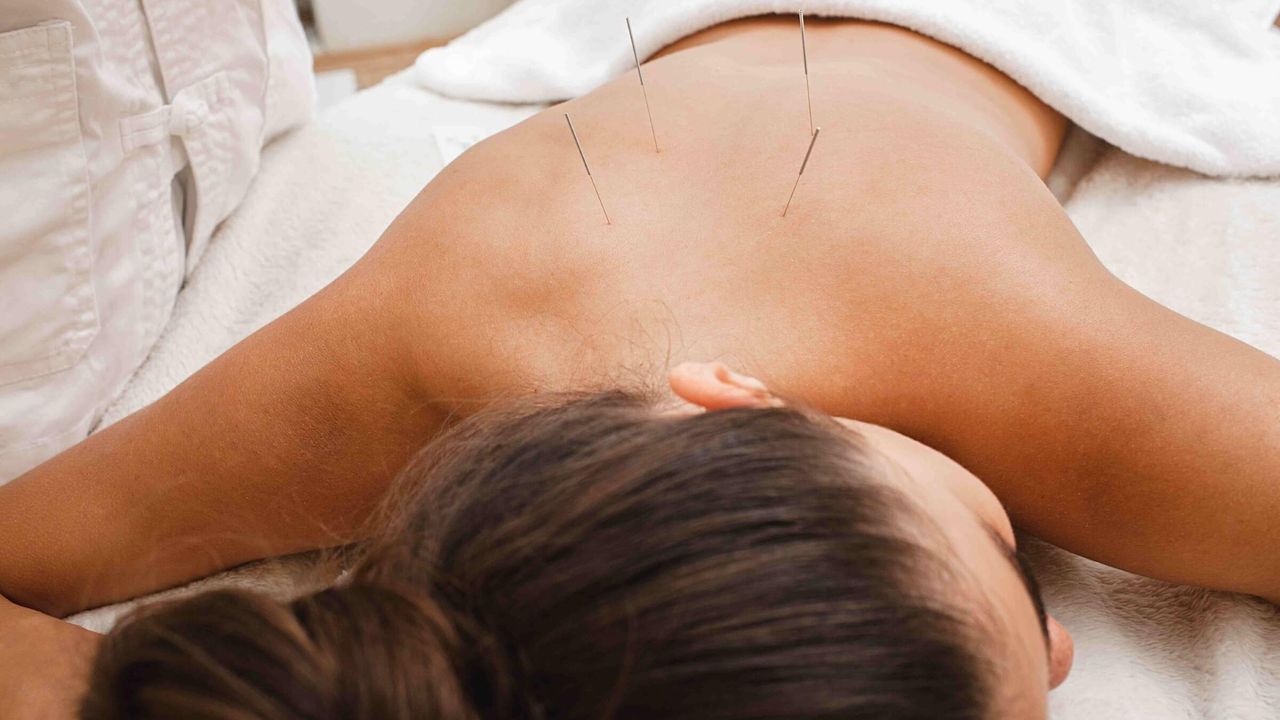
Acupuncture and Insurer: When Does the Insurance Pay TCM Treatments?
16.02.2026

Homeopathy and Globules: What Does the Insurer Pay in Switzerland?
16.02.2026

Osteopathy as Manual Therapy: Which Supplementary Insurance Covers the Sessions?
16.02.2026

Which Supplementary Insurance Makes Sense in Switzerland?
14.02.2026