Medical Massages: Which Supplementary Insurance Pays Lymphatic Drainage, Sports Massage and Classical Massage?
Classical massage, lymphatic drainage and sports massage count among the medical-therapeutic treatments and are only covered in Switzerland via supplementary insurance. Compando compares the cost coverage per massage type and shows for whom a massage supplementary insurance pays off.
- 1
- 2
- 3
- 4
- 5
1. Which massage types belong to medical treatment?
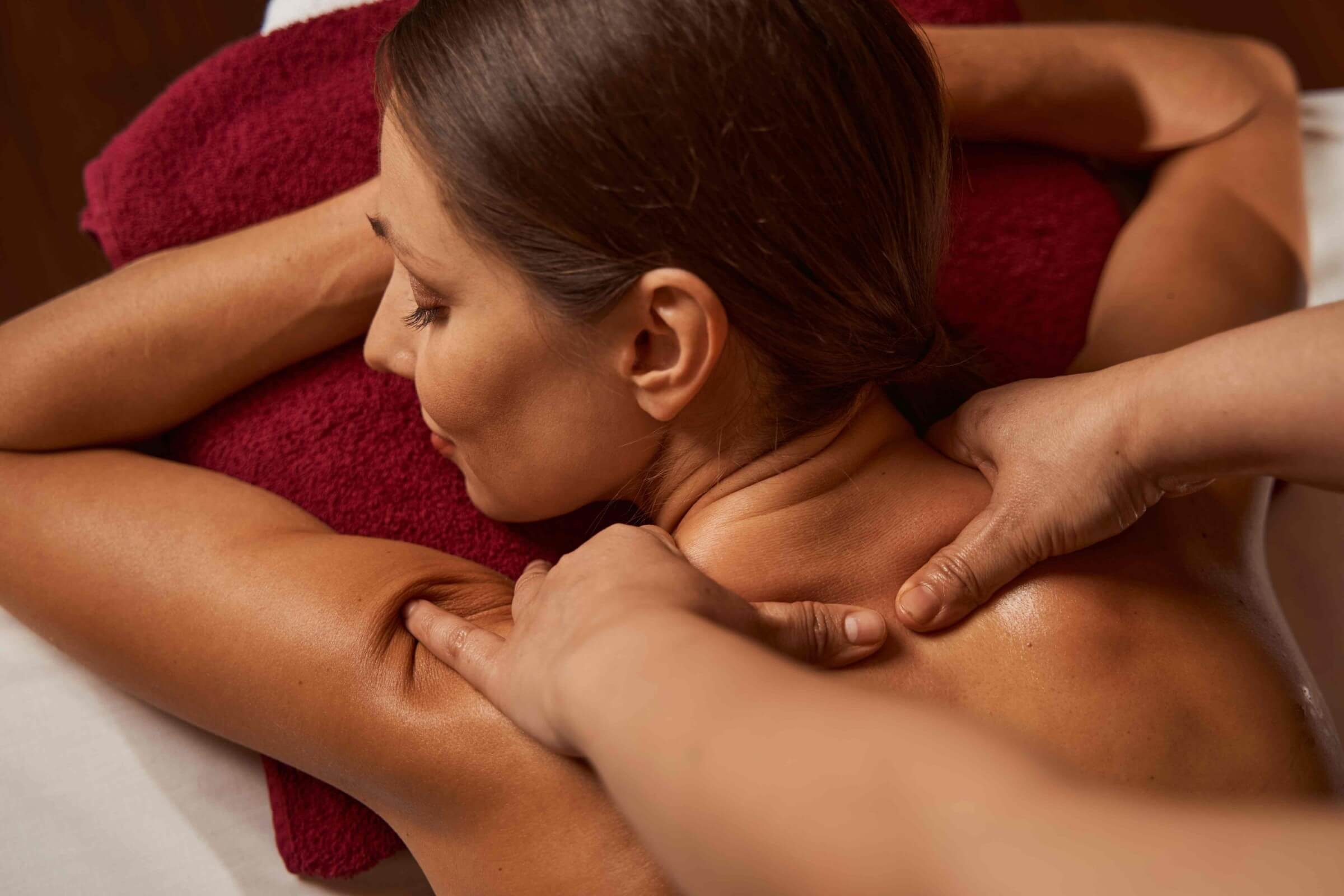
Medical massages are therapeutic treatments with the goal of releasing tensions, alleviating pain and promoting mobility. They differ from pure wellness treatments by the medical-therapeutic approach and are performed by trained massage therapists. Medical massages belong to the methods of alternative and complementary medicine in Switzerland.
Frequent medical massage types
- Classical massage: muscle tensions, back and neck pain
- Lymphatic drainage: swellings, treatment after operations, circulation
- Sports massage: muscle regeneration and injury prevention
- Foot reflexology massage: holistic approach and circulation promotion
- Shiatsu and acupressure: stress reduction and muscle relaxation
- Connective tissue massage and trigger point therapy: chronic pain
2. Does basic insurance cover medical massages?
Medical massages are not included in mandatory health care insurance (OKP). They neither fall under the five KVG complementary medicine methods under Art. 25a KVG nor under medically prescribed physiotherapy. Without supplementary insurance with complementary medicine coverage, patients bear the costs themselves, even with therapeutic indication.
Distinguish massage and physiotherapy
Physiotherapy with medical prescription is covered via basic insurance and follows its own TARMED tariff. A medical massage at the massage therapist is separated from this and runs only via supplementary insurance. Anyone who wants to combine massage and physiotherapy should clarify the difference before the first appointment.
3. When does supplementary insurance cover sports massage and lymphatic drainage?
An outpatient supplementary insurance with complementary medicine coverage covers 70 to 90 percent of the recognised hourly rate for sports massage, classical massage and lymphatic drainage. Unlike with acupuncture or osteopathy, massage supplementary insurance accepts three registers: EMR, ASCA and Qualitop. The therapist status you can check at emr.ch, asca.ch or qualitop.ch.
Lymphatic drainage usually requires a medical prescription. Waiting periods are rare and most providers cover massages from the start of the contract. Some tariffs limit the cost coverage to a few thousand francs per year; others pay unlimited with a fixed hourly rate per session.
Compare sports massage, lymphatic drainage and classical massage
Providers differ in recognised hourly rate and annual limit for medical massages. Tip: In the Compando comparison, you see cost coverage per massage type and conditions of all Swiss providers at a glance.
4. What do classical massage, lymphatic drainage and sports massage cost?
A medical massage lasts between 30 and 60 minutes. The costs differ by massage type, therapist and region:
- Classical medical massage (45 to 60 minutes): CHF 80 to 130
- Lymphatic drainage (30 to 45 minutes): CHF 70 to 110
- Sports massage (45 to 60 minutes): CHF 90 to 140
The number of sessions varies by complaints. For acute tensions, 5 to 8 sessions over two months usually suffice (annual costs CHF 400 to 1'040). Chronic back or neck pain often requires 15 to 25 sessions per year (CHF 1'200 to 3'250). Athletes after injuries frequently need 8 to 12 appointments (CHF 720 to 1'680).
Example calculation: A 50-year-old triathlete from the canton of Vaud combines 8 sports massages for muscle regeneration (at CHF 110) with 4 classical massages for back problems (at CHF 90). This results in total costs of CHF 1'240. A massage supplementary insurance covers 80 percent (CHF 992). The own share is CHF 248 per year.
Several massage types within the same tariff. Classical massage, sports massage and lymphatic drainage can usually be billed in the same massage tariff. Anyone who simultaneously uses osteopathy for back complaints, acupuncture for chronic pain or craniosacral therapy for stress symptoms notes the joint annual limit of all complementary medicine methods.
5. When is a massage supplementary insurance worthwhile for athletes and working professionals?
Athletes in the regeneration phase, working professionals with tensions from screen workplaces and female patients after breast or lymph node operations with medical prescription for lymphatic drainage count among the classical profiles for a massage supplementary insurance. Anyone who plans more than ten sessions per year frequently amortises the additional premium already in the first year.
Check before signing:
Check massage therapist via three register paths. Unlike with acupuncture or craniosacral therapy, massage supplementary insurance accepts the Qualitop label in addition to EMR and ASCA. This expands the therapist selection considerably. Before the first session, check the register status on one of the three platforms.
Compare recognised hourly rate with practice tariff. Insurers usually cover CHF 80 to 120 per massage hour. Sports massages and lymphatic drainage are partly covered higher. If the practice tariff is above the recognised rate, you bear the difference yourself. With the suitable tariff, an athlete saves several hundred francs annually with 15 sessions. In the health insurance comparison, you find hourly rates and premiums of all providers at a glance.
Request lymphatic drainage prescription from the doctor. Lymphatic drainage after operations or with chronic swellings usually requires a medical prescription. Without prescription, the insurer frequently does not cover the sessions. Clarify this before the start of treatment with your family doctor or specialist.
Declare medical history correctly. At application, a health questionnaire takes place. Especially with previous operations, lymph diseases or chronic back complaints, transparent information under Art. 6 VVG is decisive. This way you avoid later benefit cuts.
Adapt the massage supplementary insurance to your needs
Athletes in regeneration, working professionals with tensions and patients after operations with lymphatic drainage have different requirements. Because premiums and cost coverage per massage type differ, a comparison by your massage combination pays off.
You might also be interested in

Alternative and Complementary Medicine: What Does the Insurer Pay?
16.02.2026
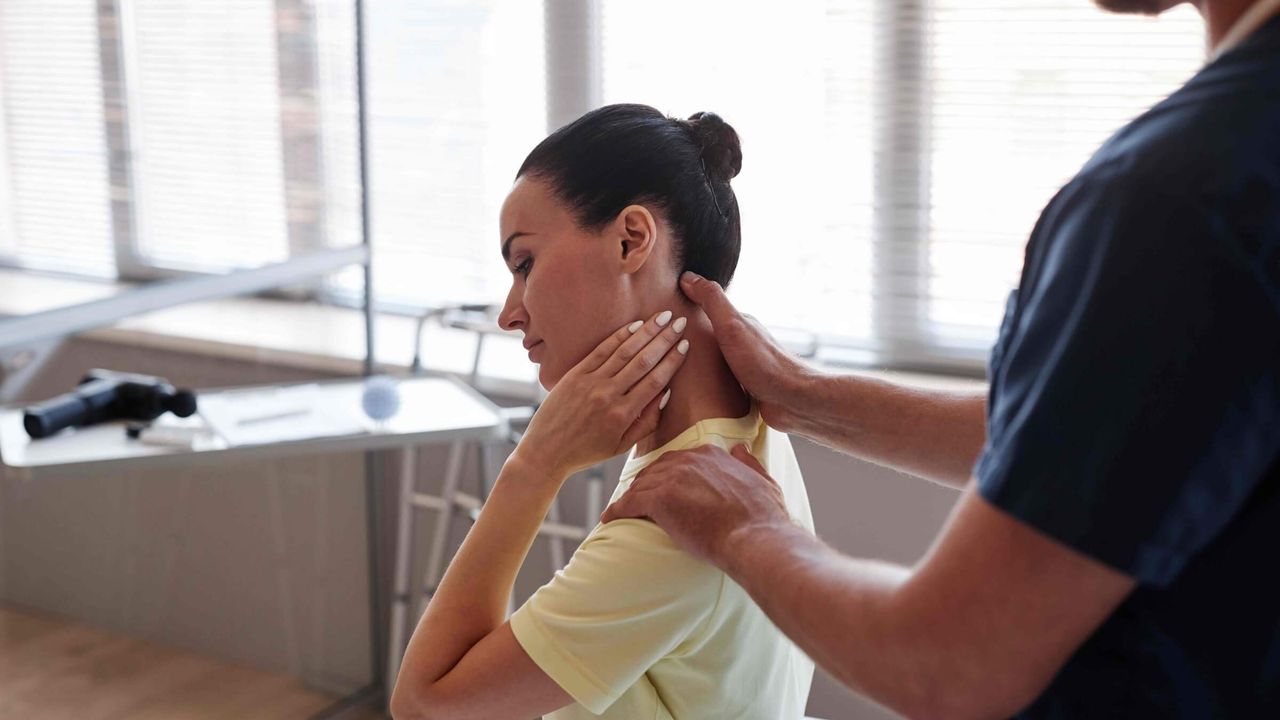
Osteopathy as Manual Therapy: Which Supplementary Insurance Covers the Sessions?
16.02.2026
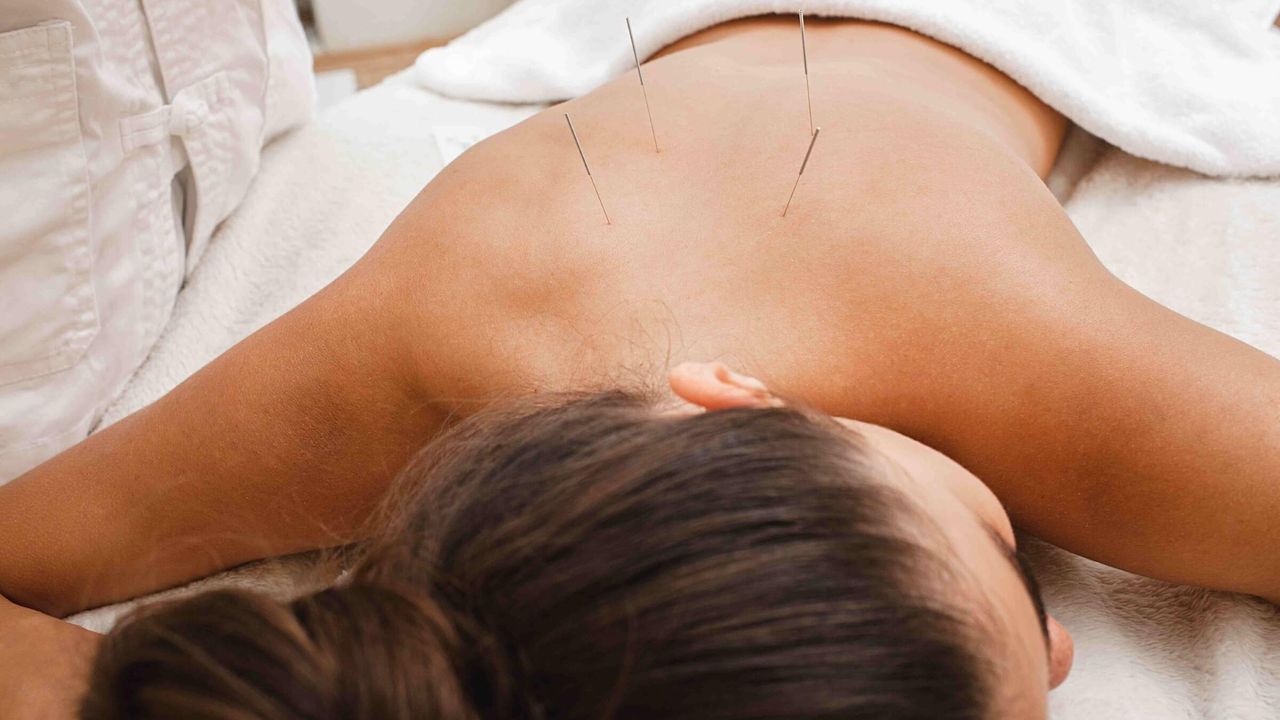
Acupuncture and Insurer: When Does the Insurance Pay TCM Treatments?
16.02.2026
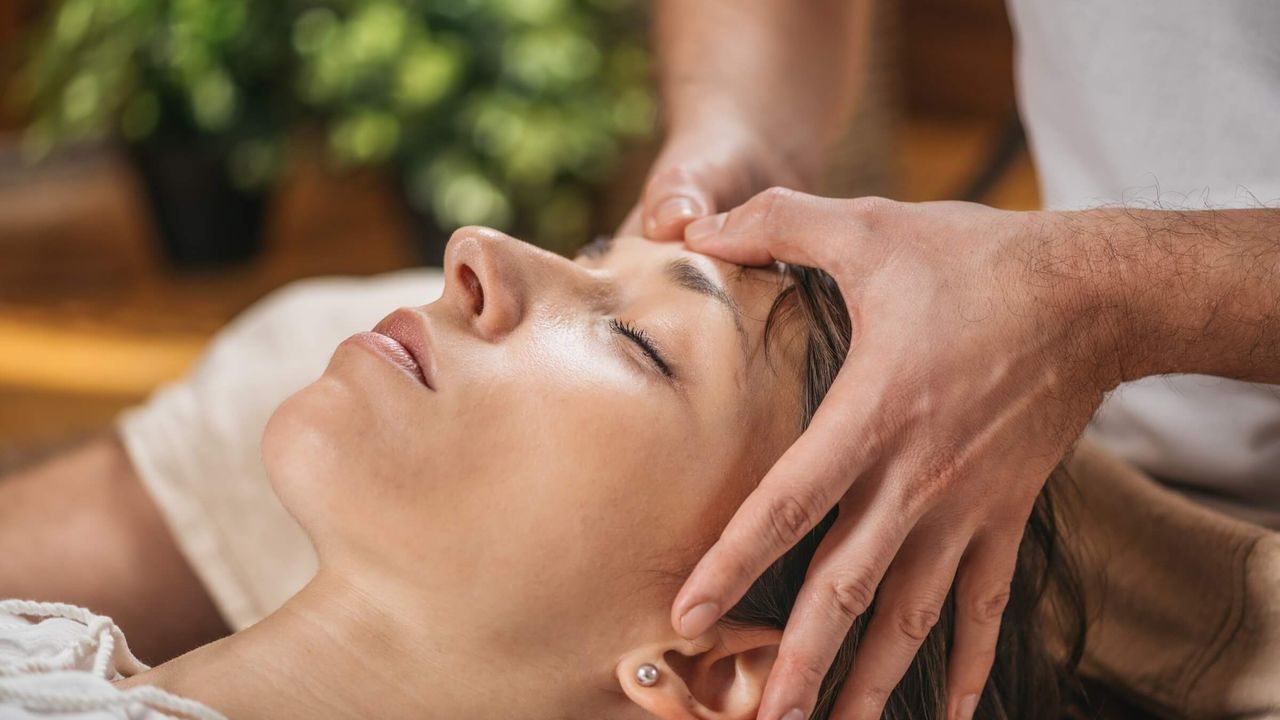
Craniosacral Therapy for Babies and Adults: Which Supplementary Insurance Covers the Sessions?
16.02.2026